Saint Louis Author: Jonathan Losos
The Saint Louis Author blog highlights the unique and surprising authors who live and write in Mound City.
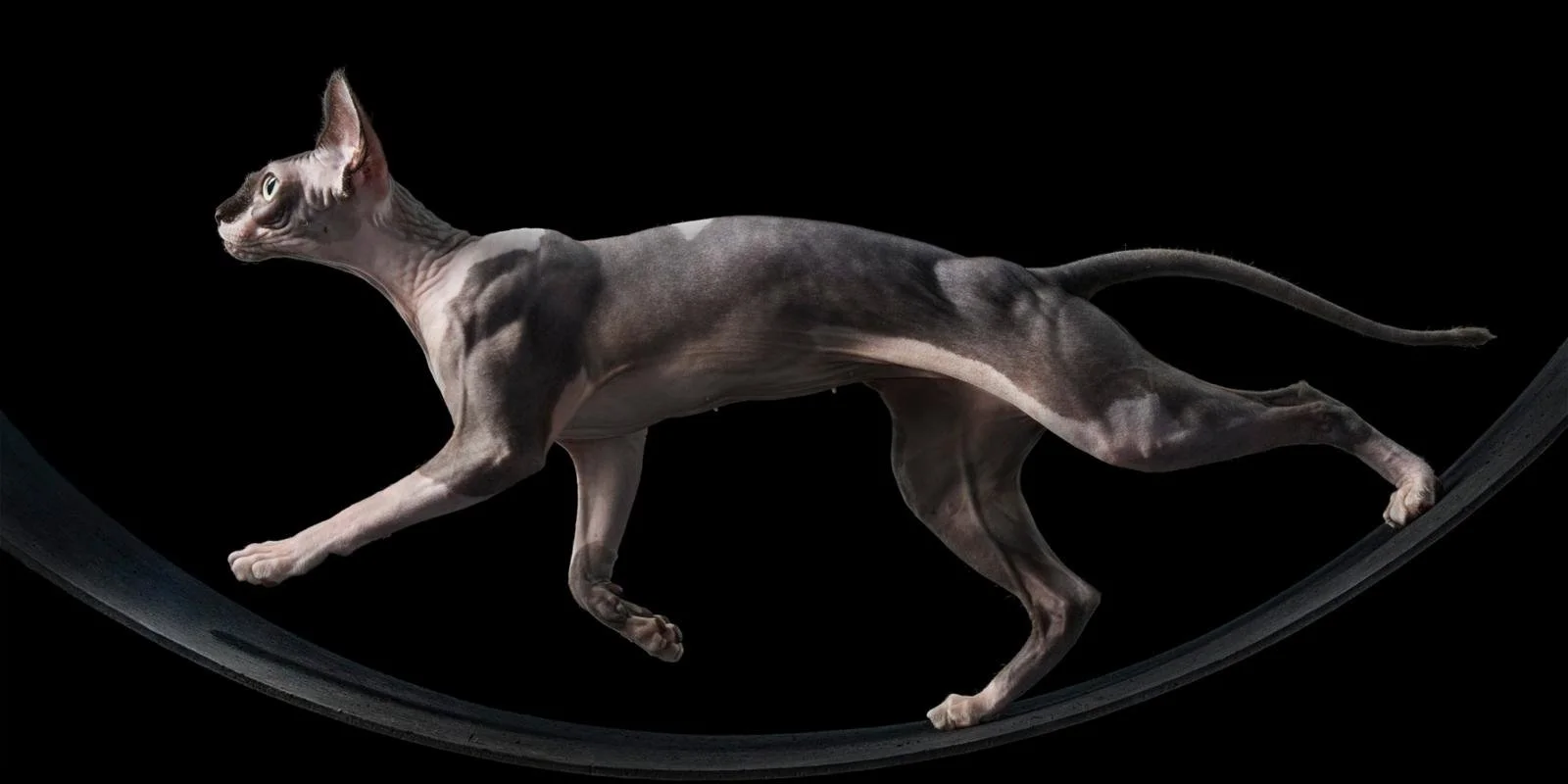
From Feline, Abrams, 2025, photograph by Tim Flach, text by Jonathan Losos
“Long, powerful hindlegs provide speed and acceleration. Forelegs can move sideways, the front feet coming toward each other, palms facing each other, enabling the gripping ability that makes cats so adept at climbing and allowing them to grab and hold on to their prey…”
When Jonathan Losos popped up on my Zoom screen, he first introduced me to his cat Nelson, who lay contentedly in the crook of the evolutionary biologist’s arm, belly up, getting scratches.
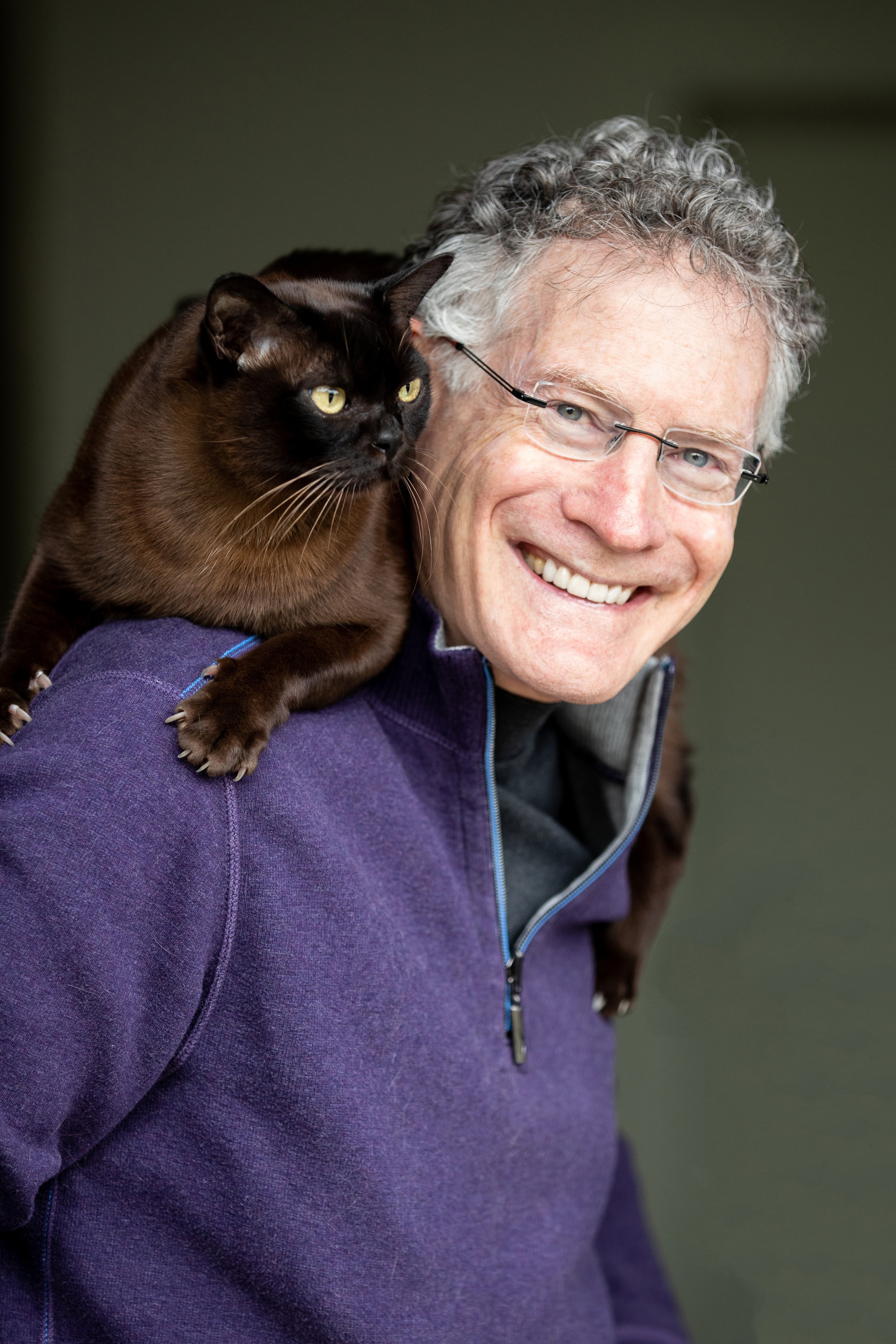
Jonathan Losos and Nelson, photo credit Lynn Werner Marsden Photography
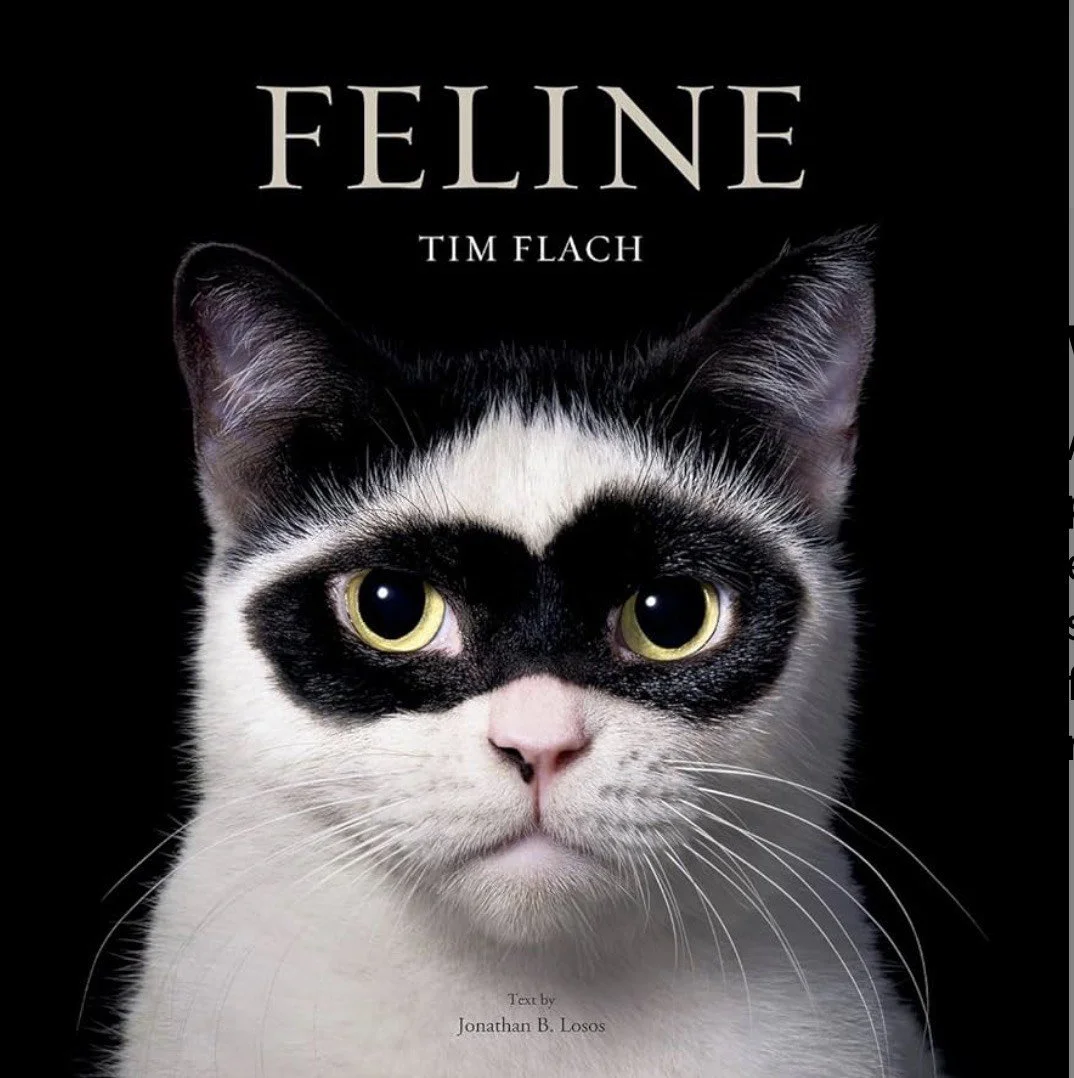
Losos is Professor of Biology, Director of the Living Earth Collaborative and William H. Danforth Distinguished University Professor at Washington University in St. Louis and has published many books and articles in his field. Feline, a volume measuring 12” square, 2” thick, and tipping the scales at 6 pounds features photos taken by British Award-winning animal photographer Tim Flach with accompanying text by Losos, is his first coffee-table book.
Losos credits his late father, St. Louis financier and philanthropist Joseph Losos as the first influence on his writing. The senior Losos wrote more than 500 book reviews for the St. Louis Post-Dispatch and possessed a library of over 4,000 volumes.
“The fact that the position of book reviewer even existed struck me as extraordinary and inculcated in me an appreciation and passion for all things literary,” Losos said.
Now a world renown evolutionary scientist, Losos wrote for years for school newspapers, honing a journalistic approach to writing that still serves him today.
“I was fortunate to get a great secondary education that emphasized writing. As I became a scientist, I continued to enjoy the part of my job that involved transmitting scientific information by writing,” he said.
Losos’ love of words is apparent in the eye-catching titles of some of his scientific publications, and even more so in his more recent publications for a general audience. He titled a publication of some of his dissertation research, Survival of the Gutsiest: A Study on Function and Quality of Signals Given an Incoming Predator by Anolis Lizards. His first book, Improbable Destinies: How Predictable is Evolution?, leverages his career-long research on lizards to contribute to high profile debates in science about evolution. The Cat’s Meow: How Cats Evolved from the Savannah to Your Sofa, appeals to anyone who has a cat
He attributes his prowess for writing about science to a general audience to his early passion for journalism. In college, his freshman year curriculum included a science-based composition class in which he read fellow students’ essays and was surprised at how difficult they were to understand.
“Some people who are brilliant scientists can’t step out of science-mode. It’s not in them. Many of my fellow classmates were clueless about how people read.”
Losos believes Biology is an easier science to understand than most, which makes his writing more accessible than physics or chemistry.
“The challenges of scientific writing are at least two-fold. First, it’s explaining thescience. Since my research isn’t rocket-science, everyone knows what a lizard is—I don’t need to explain as much. Second, it’s making it interesting. As scientists, we are trained to be boring. Start with a problem, provide three caveats, and respond. It’s a tightrope, because there is always a risk of oversimplifying.
Losos’ work on the evolution of cats brought the general appeal of his work to another level, given how many people have and are interested in cats. His work on Feline resulted from his reputation as an evolutionary expert, his ability to write about it for a general audience, and his interest in working on something completely different.
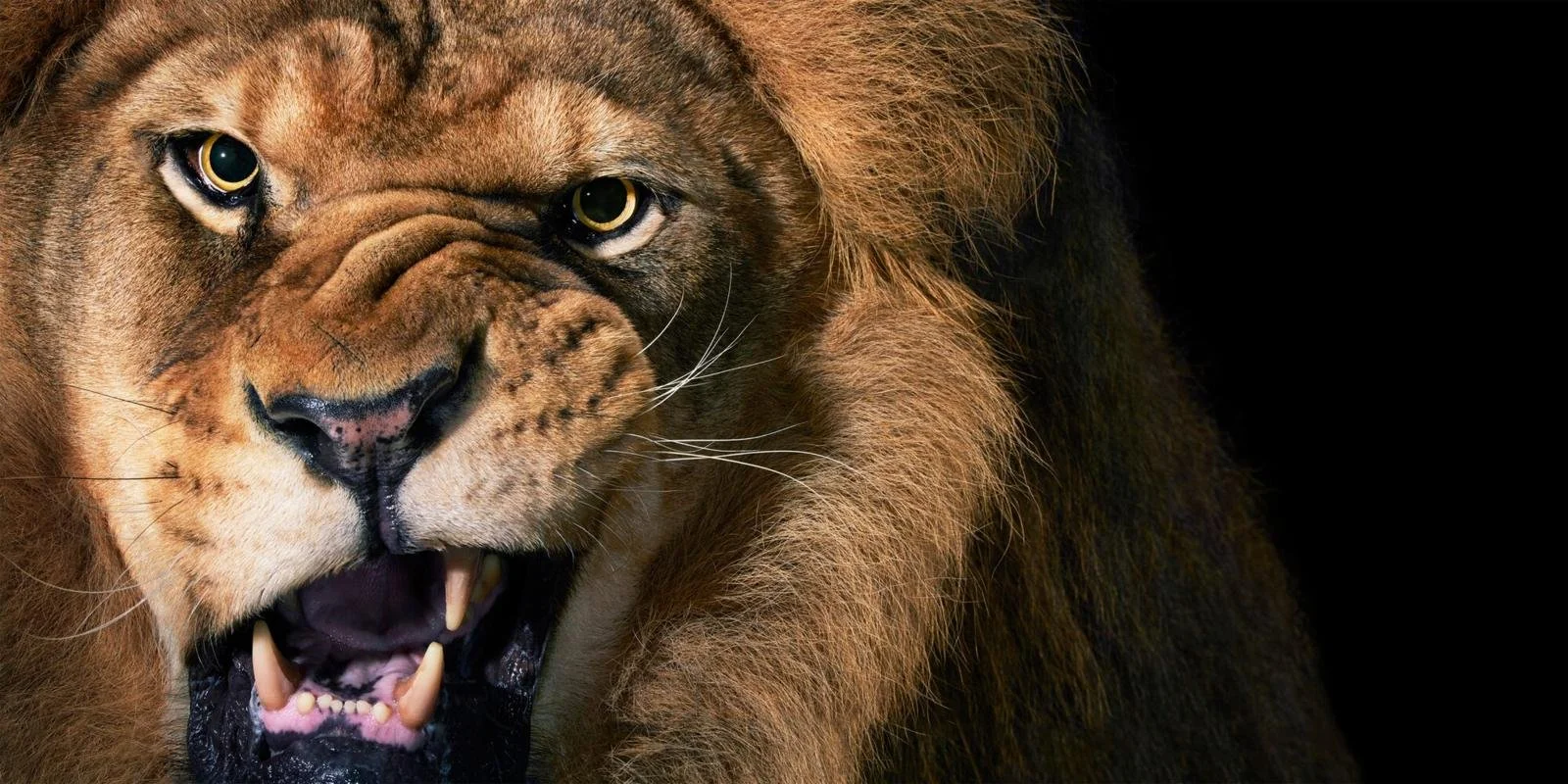
From Feline, Abrams, photograph by Tim Flach, text by Jonathan Losos
“King, yes. Jungle, not so much. Despite their regal title, lions are more at home in open grasslands than dense jungles. The misconception of the “King of the Jungle” moniker likely comes from a mistranslation of the Sanskrit word jangala, which refers not to forests, but to sparse, open habitats with few trees.”
“Tim Flach is a prize-winning photographer and has published several photography books featuring animals. For Feline, which he told me would be the hardest one so far due to the difficulty of getting cats to do anything they don’t want to do, he wanted text at a higher level. He researched books on cats and he liked mine. I was extremely flattered that he came to me.”
Losos had never done a project with an artist before and found working with Tim Flach a unique and challenging collaboration.
“When you collaborate on a science textbook, everyone is responsible for a discrete part, goes away and writes it, and then it all comes together with minimal additional conversation. Working with Tim, there was give and take throughout the process, and he opened my eyes to how a photography book is made.
“When a person looks at a photograph, their eye is first drawn to the top left, then all the way down to the right. We were doing two-page spreads, so Tim had to make sure there was nothing important in the middle where the crease will be. He knows a lot about how the brain works, and how people respond to visual stimuli. I brought the knowledge and insights about the cats, but he brought the art. He knows a lot more about my job than I do about his.”
Losos’ next project is another book with popular appeal called Catpedia. It’s part of a series underway at the Princeton University Press on a variety of scientific topics ala Wikipedia but scientifically reviewed with a bit of attitude and hopefully fun to read.
“It’s another totally different project. My first draft is out for scientific review now and it’s always a little terrifying to know other scientists will be reading your work written for a general audience.”
As we wrapped up the interview, Losos’ cat leapt from his lap. “See ya Nelson,” Losos said. Somehow, I think Losos is drawn to new and different projects in order to keep that feeling of fear in high gear. What could be more interesting?